What To Look For In A Multivitamin

You’re about to read the unhinged thoughts of a nutrition coach, athlete, entrepreneur and whatever hat I’m wearing that day.
August 20, 2025
If you’re an athlete, you already know nutrition is the foundation of performance. Food is your fuel, recovery tool, and sometimes even your mental edge. But here’s the truth: even with a balanced diet, it can be tough to hit every vitamin and mineral target, especially with the demands of training, travel, and competition. That’s where a multivitamin can step in.
But before you grab the cheapest bottle on the shelf (or the flashiest one with “Ultra-Max Performance” written on it), let’s break down what athletes, especially drug-tested athletes, need to know about choosing the right multivitamin.
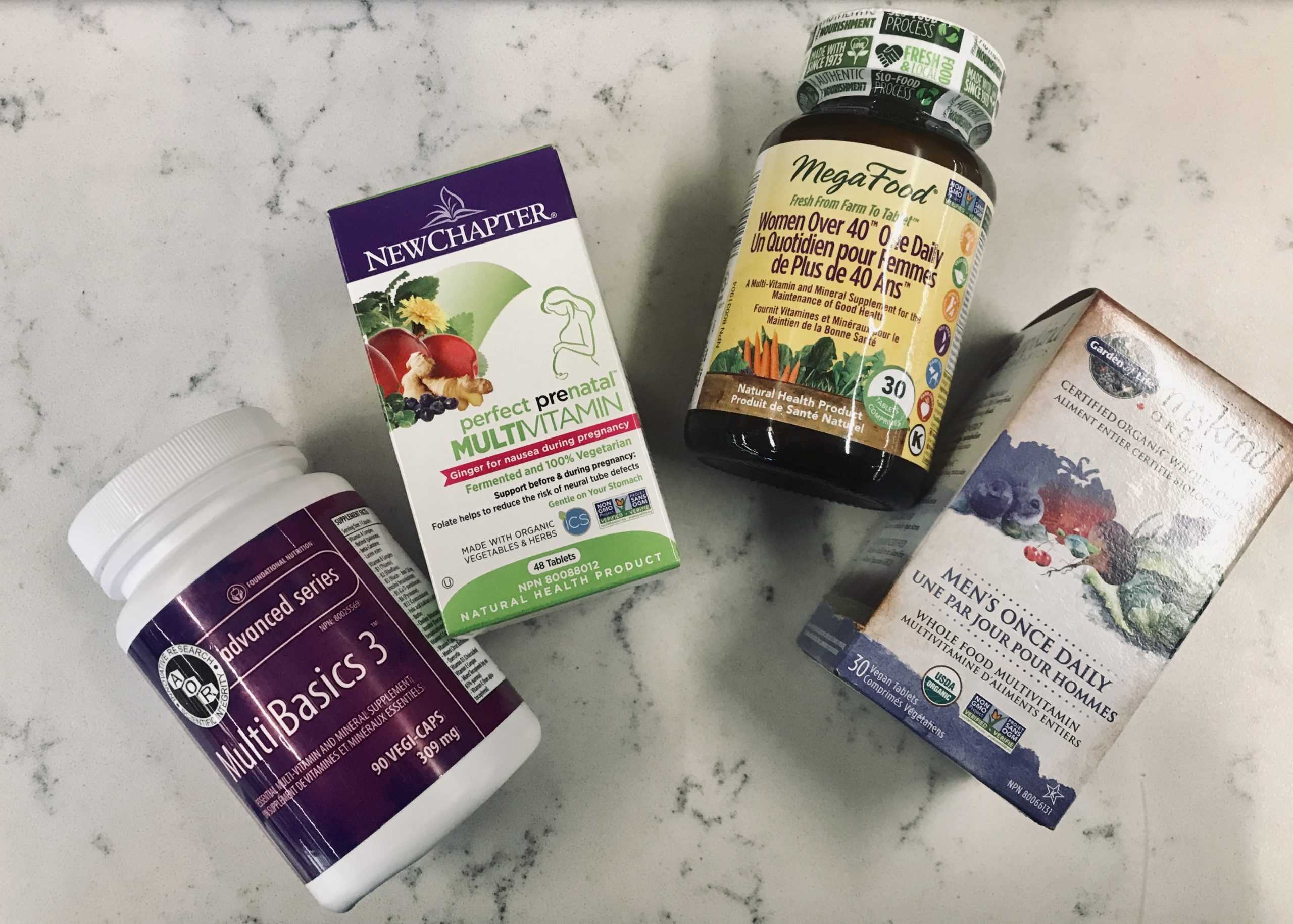
Do You Even Need a Multivitamin?
I remember standing in the supplement aisle, staring at a wall of bottles that all promised ‘better health’ and ‘more energy.’ Multivitamins felt like a safety net… like maybe I could cover my bases just by taking one pill. But as a nutrition coach (and athlete), I’ve seen firsthand that it’s not that simple.
Multivitamins are not a free pass to eat like shit and call it okay. Supplements should supplement your diet, not replace it. If you’re consistently under-eating or skipping meals, a pill won’t fix the bigger issue. Hint: You need to eat enough food.
That said, athletes have higher nutrient needs than the average person. Hard training can increase demands for iron, magnesium, vitamin D, and antioxidants. Then we have to factor in travel, restricted diets due to the nature of weight-class sports, or simply convenience. These factors can create gaps. And yeah, a multivitamin may help fill those gaps.
Key Things to Look For in a Multivitamin
1. Third-Party Testing (especially for drug-tested athletes)
This is non-negotiable. Supplements are a common source of accidental doping violations because some contain banned substances not listed on the label.
Look for certifications like:
If it doesn’t have third-party testing, don’t risk it.
2. Right Dose, Not Mega Dose
More isn’t always better. Many multivitamins cram in 100–300% of daily needs, but your body doesn’t use excess the same way. Some just get excreted (ex. water-soluble vitamins like B vitamins) which is why you might sometimes see a bright color when you go to the bathroom after taking a B complex. While others can actually build up and cause harm (ex. fat-soluble vitamins like A, D, E, K).
3. Form You’ll Actually Take
Don’t buy horse pills if you hate swallowing them. Athletes already juggle enough routines, so you need to make it as easy as possible. The best multivitamin is the one that you’ll take consistently.
Options include:
Capsules or tablets
Powders (easy to mix into a shake)
Liquids or gummies (but watch for added sugar)
4. Lifestyle-Specific Formulas
Athlete needs aren’t the same as general population needs. Let’s nerd out here.
Endurance athletes may benefit from higher iron or B vitamins. They (especially females) often have higher iron needs because iron is crucial for oxygen transport (hemoglobin, myoglobin). Long-duration training increases red blood cell turnover and iron losses through sweat, urine, and even GI bleeding (common in runners). Low iron = fatigue, reduced VO₂ max, poor recovery. The B-complex (B1, B2, B3, B6, B12, folate) plays a huge role in energy metabolism (converting carbs, fats, and protein into usable fuel). Endurance training demands high and continuous energy production, so deficiencies here can directly impact stamina, energy, and recovery.
Strength athletes often need more magnesium and vitamin D. Magnesium is important for muscle contraction, relaxation, and ATP production. Heavy lifting depletes magnesium faster, and low levels can show up as cramping, poor recovery, or reduced power output. Magnesium also regulates protein synthesis, so it ties directly to building strength and muscle. While, Vitamin D is essential for bone health and reducing injury risk (big for athletes under heavy load). It also supports muscle function, immune health, and testosterone regulation. Indoor training + northern latitudes = many strength athletes are deficient.
Female athletes may need more iron and calcium, depending on menstrual cycle and bone health. Female athletes lose iron every month through menstruation, which can add up on top of sweat and exercise-related iron losses. Low iron = fatigue, dizziness, poor recovery, and reduced performance. During heavy training blocks, this can hit harder. For example: a female lifter prepping for competition who also has a heavy cycle might feel way more drained than usual, not because she’s “out of shape,” but because her iron is low. Calcium is essential for bone density and muscle contraction. Women are at higher risk of bone health issues (like stress fractures) if calcium intake is inadequate, especially if energy intake is low or periods are irregular (Relative Energy Deficiency in Sport — RED-S). An endurance athlete who isn’t eating enough overall and starts missing periods will likely need more calcium and vitamin D support to keep bones strong under high training loads.
Choose a multivitamin designed for your stage of training, gender, and lifestyle.
5. Simple, Clean Ingredients
You don’t need a multivitamin with 72 herbs and “mystery blends.” Keep it simple: vitamins, minerals, maybe a few added antioxidants. Always check the non-medicinal ingredients. Fillers, binders, artificial colors, or sugar alcohols may not seem important, but they can cause stomach upset, headaches, or just mean you’re paying for fluff.
6. Absorbability Matters
Not all vitamins are created equal. Your body absorbs certain forms better (e.g., methylated B vitamins, citrate forms of magnesium). If your digestion is sensitive, look for a food-based or fermented multivitamin, which may be gentler.
A multivitamin can be a smart addition to an athlete’s routine, but only if it remains a supplement and it’s chosen wisely. Always take the food-first approach when possible.
SHARE THIS POST: