How to Choose the Right Coach for You
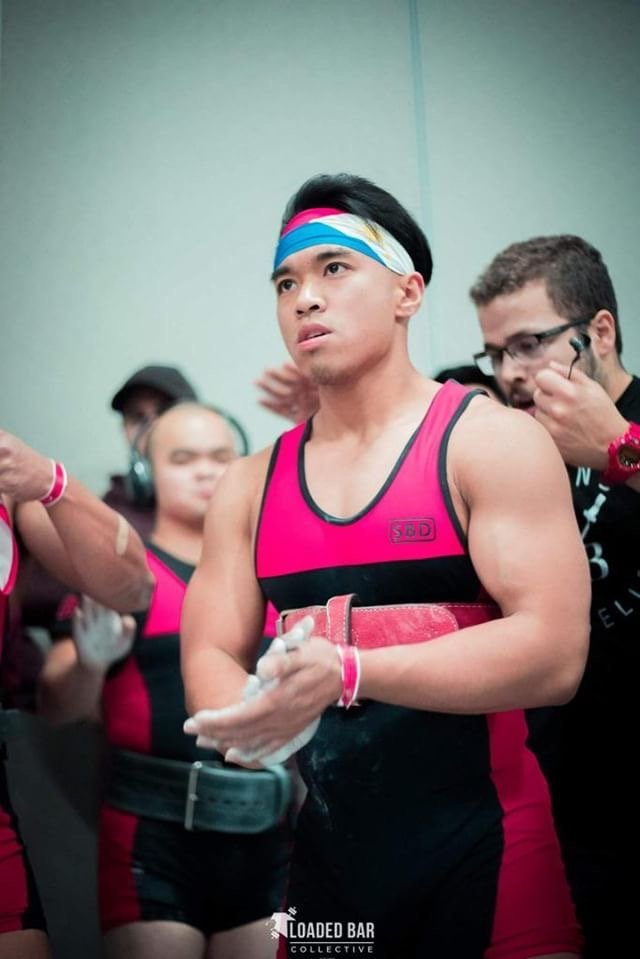
You’re about to read the unhinged thoughts of a nutrition coach, athlete, entrepreneur and whatever hat I’m wearing that day.
February 1, 2019
We live in a time where there’s a coach for everything (and I mean everything, not too long ago I saw a plant coach). In powerlifting, there are coaches for training programs, nutrition programs, mindset and recovery. Some people swear by it and place all their achievements as a result of having a coach. Other people feel like it’s a waste of money, arguing that Google is free. Then there are people who don’t even refer to them as a coach. Maybe it’s a dietitian, a teacher, a personal trainer—or if you’re like me, you just call him “babe.”
Now that I’ve been on both sides of the equation—as a powerlifting athlete and a nutrition coach—I’ve realized that choosing the right coach isn’t just about finding someone knowledgeable. It’s about finding someone who understands you—your needs, your struggles, your life.
So, is having a coach actually worth it?
And how do you find the right one?
Let’s break it down.
Here’s what to expect:
What Does a Coach Actually Do?
A good coach does more than just hand you a plan. They see your big picture and guide you toward it—even when you can’t see it yourself. They take the stress out of planning, so all you have to do is show up and put in the work. But here’s the catch: Not all coaches are created equal. Some will meticulously craft programs based on your goals and lifestyle. Others will copy-paste a one-size-fits-all spreadsheet and ghost you when you have questions. Or worse, do ALL the work for you and be a complete disservice.
As Alfred Jong, B.Kin, CSCS, once put it:
“A well-rounded coach should possess an abundance of qualities, not just one or the other. While understanding theory and literature is important, it’s equally important to have personal experience in order to apply them in a practical way that trainees can adhere to.”
Translation: A coach needs to know their stuff, but if they can’t make it work for you, what’s the point? Too many times I’ve seen powerlifters struggle to improve over time because the coach refuses to adapt to the lifter.
It’s just not always about the Coach.
It’s also about being coachable.
A great coach can provide all the expertise, programming, and feedback in the world—but if you’re not willing to listen, learn, and apply, none of it matters. A coaching relationship works best when there’s mutual trust and respect. The coach’s job is to provide guidance, structure, and expertise, while your job as an athlete is to:
- → Show up and put in the work.
- → Take feedback seriously and adjust accordingly.
- → Ask questions when you don’t understand something.
- → Be honest about what’s working and what’s not.
- → Keep your ego in check—because strength isn’t just physical, it’s mental.
The best results happen when both athlete and coach are fully invested in the process.
my personal + professional experience
I’ve had different types of coaches in my life—some I paid for, some I didn’t.
There was my sister—an incredibly knowledgeable personal trainer who helped me when I was first starting out. But she didn’t have much experience in the powerlifting community as a coach and athlete, which made it harder to progress. And she understood that.
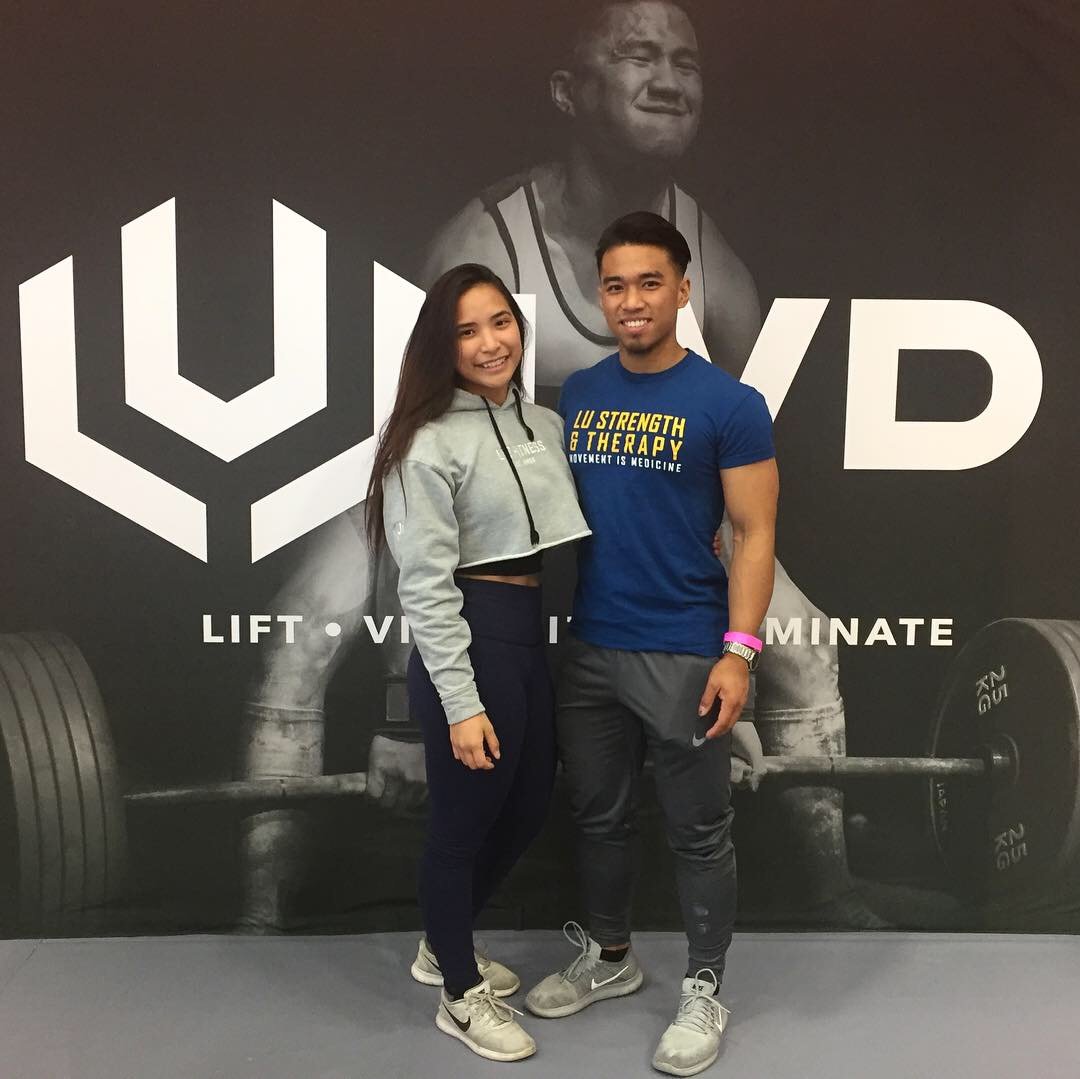
My boyfriend was my first “official” powerlifting coach. At this time, he was finishing a Kinesiology degree and programmed himself for quite some time. He asked about my goals, my timeline, and then built me a customized weekly program. Each week, he’d look over my notes, adjust my lifts, and make tweaks based on my feedback.
And then, nutrition coaching entered the picture.
When I transitioned from just being an athlete to coaching nutrition, I realized how many people struggle not just with training, but with eating to fuel their goals. The same way lifters need a structured training plan, they also need a sustainable approach to nutrition. Not a one-size-fits-all meal plan, but something that actually works in real life—because, spoiler alert: No one wants to eat plain chicken and rice forever. I’ve seen firsthand how the right coach—whether for lifting or nutrition—can make all the difference.
But how do you know if a coach is the right one for you?
Finding the perfect coach is like dating. You don’t just settle for the first person who slides into your DMs with a “$100/month custom program.” You need to know who they are and if they’re the right fit for you. You need to do your own due diligence.
- Before you even look for a coach, ask yourself:
- → What are my goals? Am I training for strength, aesthetics, or overall health?
- → Am I a beginner, intermediate, or advanced athlete?
- → Do I prefer a hands-on coaching style, or do I just want a structured program?
- → How much guidance do I actually need?
- → Am I financially ready to invest in coaching (or what’s my budget)?
Knowing these answers helps you filter out coaches who aren’t suited for your needs.
- Once you have clarity on what you need, it’s time to research potential coaches:
- → Do they have experience and credentials? (B.Kin, CSCS, RD, etc.)
- → Do they have coaching experience in your specific sport or nutrition goal?
- → Do they practice what they preach? (Not necessary, but it helps.)
- → Do they work with athletes at your level?
- → Do their values align with yours?
As Kelvin Suen put it…
“I chose Alfred because of accessibility. I wanted someone who can combine powerlifting and nutrition. He has a great history of nutrition coaching.”
A coach isn’t just someone you pay—it’s someone who helps shape your success, so choose wisely.
- Different people need different types of guidance, so ask yourself:
- → Do I want a spreadsheet-style program, or do I need frequent check-ins?
- → Do I prefer detailed explanations or just the basics?
- → Do I like rigid structure or more flexibility?
- → How much communication do I need from my coach?
Some lifters just want a program and minimal feedback. Others (like me) have a thousand questions about every movement. The best coach for you will match your style.
- Check their roster (former and current):
- → Ask around. What do former clients say?
- → Did athletes actually improve under their coaching?
- → Did their athletes achieve what you want to achieve?
- → Do they follow through on what they promise?
“Do your preliminary search, it’s like looking for a job because it’s almost like an interview process. Reach out to people.” – Daniel Remulla, B.Kin, CSCS, NKT
Good marketing doesn’t always mean good coaching.
It’s going to be a trial and error, so take your time and invest well.
Coaching isn’t just about the money—it’s about finding someone who pushes you to become better. Whether it’s in powerlifting or nutrition, a great coach helps you navigate the ups and downs, holds you accountable, and makes the process sustainable.
And if you’re unsure? Take your time. Ask questions. Do your research. Because at the end of the day, the right coach can be the difference between spinning your wheels and finally reaching your full potential.
SHARE THIS POST: