Avoid Getting Banned by Supplements
You’re about to read the unhinged thoughts of a nutrition coach, athlete, entrepreneur and whatever hat I’m wearing that day.
September 15, 2019
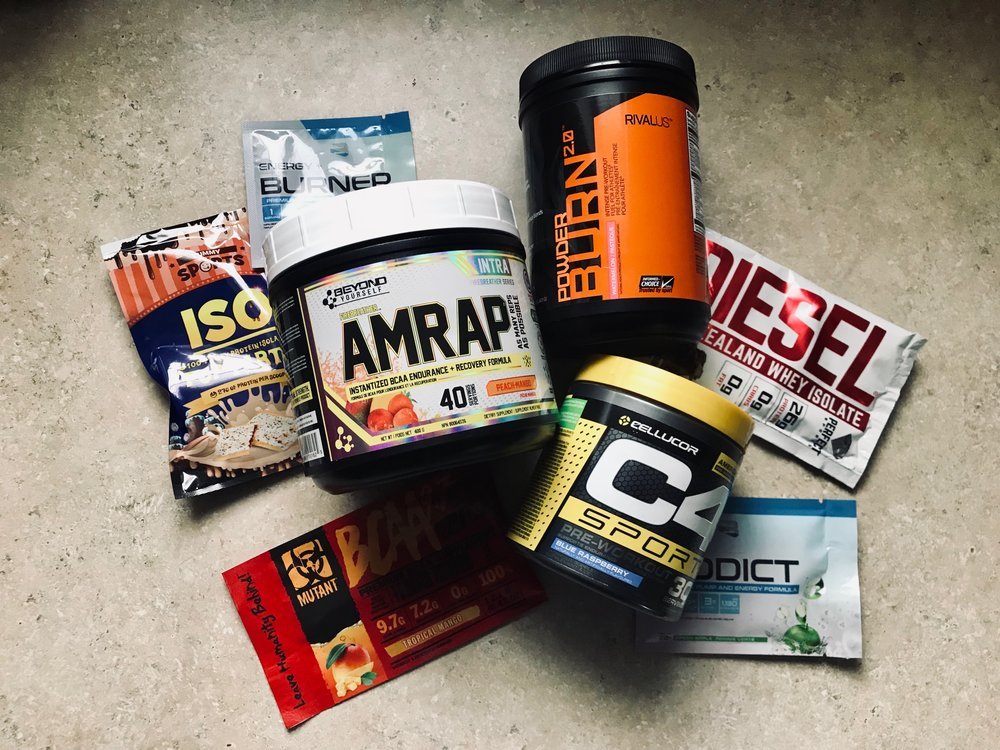
There’s been a growing number of cases where athletes unknowingly (or “accidentally”) take banned substances—either on their own or hidden in supplements. Athletes already face immense pressure to perform at their best. We train for hours, spend ridiculous amounts of money on recovery and performance, and even use our platforms to advocate for important issues. So, it’s no surprise that sometimes we need a little pick-me-up in the afternoon or a scoop of something “extra” to keep us going.
In powerlifting, education about banned substances only became a requirement a few years ago. Even then, it’s often treated like one of those “terms and conditions” pop-ups—quickly scrolled through, barely read, and accepted without question. Most powerlifters don’t think about banned substances until someone in the community confesses to taking something sketchy… and then disappears. The World Anti-Doping Agency (WADA) has banned a lot of substances, including some naturally occurring ones, which might seem excessive. But their goal isn’t to make our lives miserable—it’s to ensure a fair playing field for everyone in the sport.
“The risks of taking supplements should be weighed against the potential benefit that may be obtained, and athletes must appreciate the negative consequences of an Anti-Doping Rule Violation as a result of taking a contaminated supplement.” – WADA
Meanwhile, supplement companies are out here making a fortune by packing their products with every possible performance-boosting ingredient. And guess what? They don’t have to comply with WADA rules.
That’s where your responsibility comes in.
Here’s what to expect:
Step 1: Read the Ingredients (Yes, Really.)
I know this sounds basic.
But can you swear you’ve never consumed something without checking the ingredients first? Thought so. Always read both the medicinal and non-medicinal ingredients. Most supplement lines—especially pre-workouts—use similar formulas, but every now and then, there’s a sneaky addition that could get you banned.
Not sure what an ingredient is? That’s what Google is for. Some companies use scientific or plant names that sound harmless but are actually banned substances. For example, Tinospora crispa might look like a harmless herbal extract, but it’s actually Higenamine—a substance that WADA banned in recent years.
“The obvious answer to this would most likely come down to “be safe and read the labels.” However, if you’ve done the research yourself, you’d find that the supplement industry is only governed by a small number of regulations…”
– John Pineda, @jrpineda.prvl
Step 2: Look for Certifications That Actually Matter
Have you ever noticed labels like “Informed Sport” or “NSF Safe for Sport” on supplement containers? If not, and you’ve been stocking up on random supplements, it’s time to start paying attention. These certifications are like seat belts in a car—they improve your chances of staying safe, but they’re not a 100% guarantee.
⚠️ “Tested for Banned Substances” ≠ WADA-Compliant
Some labels claim their product is “tested for banned substances,” but that doesn’t mean they used WADA’s list. Different testing organizations follow different rules. If your sport follows WADA guidelines, make sure the certification does too.
“Due to the extra testing procedure, certified supplements may be slightly pricier. If budget is an issue, consume supplements from reputable brands. Avoid sketchy pre-workouts and fat burners—these are the usual suspects for containing banned substances or being contaminated during manufacturing.”
– Kedric Kwan, @ReformanceTraining, Co-Owner, Coach and Nutritionist
Step 3: The Company Matters More Than You Think
Just because one product in a supplement line is certified doesn’t mean all of them are.
Ask yourself:
- Has this company been linked to any doping violations?
- Do they have products that are WADA-compliant and others that aren’t?
- Have they been transparent about their ingredient sourcing and testing?
If a company chooses not to certify certain products, ask why.
If their sales rep doesn’t understand the importance of certifications, that’s fine—go directly to the company and get an answer. I’ve attended countless product knowledge training sessions for supplement companies, and trust me, many brands either don’t care about compliance or would rather save money than go through the certification process.
Step 4: Be Careful with Restaurant and Café Smoothies
Yes, even your casual protein smoothie from a café could get you banned.
Many places offer the option to add protein powder to their drinks, but do you actually know what brand and type they’re using? It’s a killjoy, I know. But if you’re a competitive athlete, you don’t want your career ruined because of a mystery scoop of protein in a $10 smoothie.
“Going into my drug test, I didn’t know what to expect… There were also other supplements I’d taken within the week—collagen, omega-3s, various vegan proteins, multivitamins, magnesium, BCAAs… We went to a trade show and tried various samples, and I just happened to get drug tested the next day. Given all the supplements I’d taken, I passed!”
– Mark Tobias, @mark.sbd
Step 5: Ask Other Athletes
A lot of athletes have been drug tested while using supplements and have passed without issues. So, tap into your community!
Ask around:
- What supplements do they use?
- Have they been tested while taking them?
- Were there any issues?
It might feel like a hassle, but would you rather ask a few questions or get banned for five years because of an innocent mistake?
“My best advice to lower your risk of being ‘banned by ignorance’ is to research reports and reviews from third-party sources. The supplier’s description isn’t always 100% accurate or credible. Advice from experienced peers or trusted sources can be your best line of defense. Be diligent and don’t get caught up in the hype of what everyone else is taking.”
– John Pineda, @jrpineda.prvl
Stay Curious & Do Your Due Diligence
Nobody plans to take a banned substance. It usually happens because of carelessness, lack of knowledge, or blind trust in supplement companies. If you’re a competitive athlete, take responsibility for what you put into your body.
- Read labels (yes, every ingredient).
- Look for legit certifications (not just marketing fluff).
- Research companies (ask why some products aren’t certified).
- Be mindful of what’s in your food and drinks.
- Talk to other athletes (real experiences > brand claims).
The best way to avoid a doping violation?
Stay curious, stay skeptical, and always do your research.
SHARE THIS POST: